

Editorial
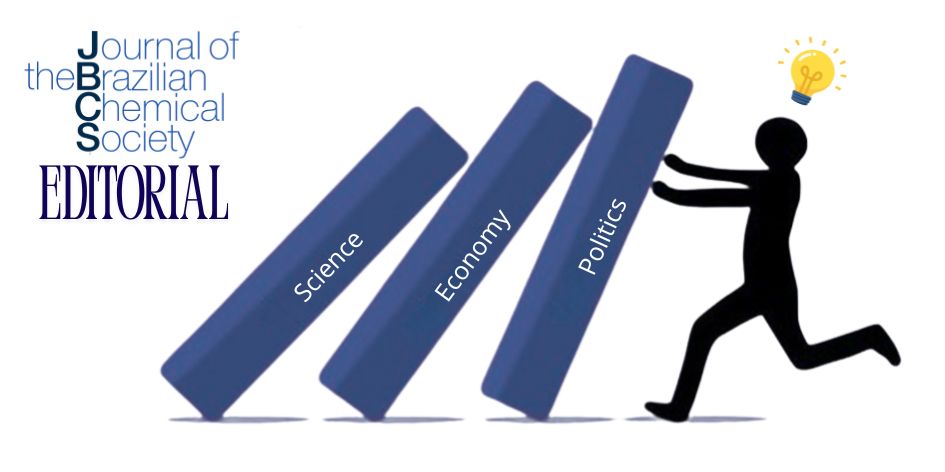
Why Scientific Societies Matter - Who Speaks for Science?
JBCS, vol. 37, Nov, 2026
https://dx.doi.org/10.21577/0103-5053.20260162
Science relies on collective institutions, but scientists are largely trained, evaluated, and rewarded as individuals. How can we convince researchers that a solid scientific and academic community needs to be represented by a strong scientific society?
Throughout history, scientific societies have played a profound role in shaping the development of scientific fields, yet the benefits of membership are often underestimated and insufficiently appreciated. Although their traditional function has been to represent their communities across education, government, public policy and industry, today scientific societies have an even broader mission: addressing misinformation, responding to declining public trust in science, promoting evidence-based policies, and communicating with society at large.
The Brazilian Chemical Society (SBQ)1 is a thriving example of the transformative role of scientific societies in advancing science and education. Supported solely by its members’ contributions and the voluntary service of its board, councils, scientific divisions, and regional secretaries, SBQ does not receive regular public funding and yet maintains a wide range of activities. Despite these limitations, it is one of the most authoritative voices representing chemistry in Brazil, engaging with government agencies to defend and shape science, education, and innovation policies. It is also one of the largest scientific societies in Latin America and has reached 4,000 active members. This number, compared to the size of the chemistry scientific community in the country, is disappointingly low. Among Brazil’s chemistry researchers holding productivity fellowships from the National Council for Scientific and Technological Development (CNPq), only about 40% are affiliated with SBQ. This raises an important question: why do so many of the country’s leading scientists remain unaffiliated with the society that helps represent their interests and shape national science and education policies? Modest membership is not unique to Brazil; it is widespread across many countries worldwide, regardless of their level of economic development. Large and influential societies are exceptions rather than the rule.
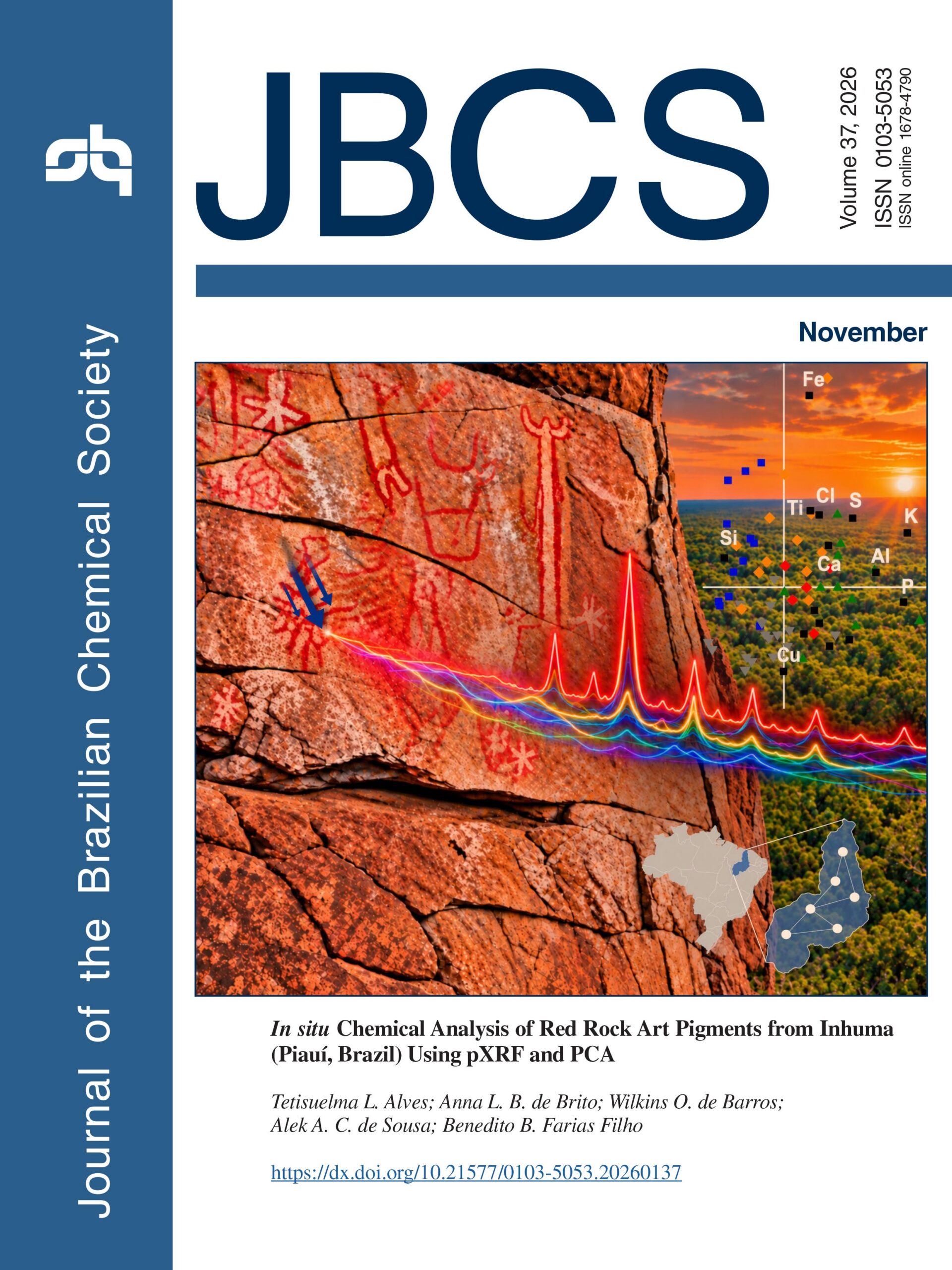
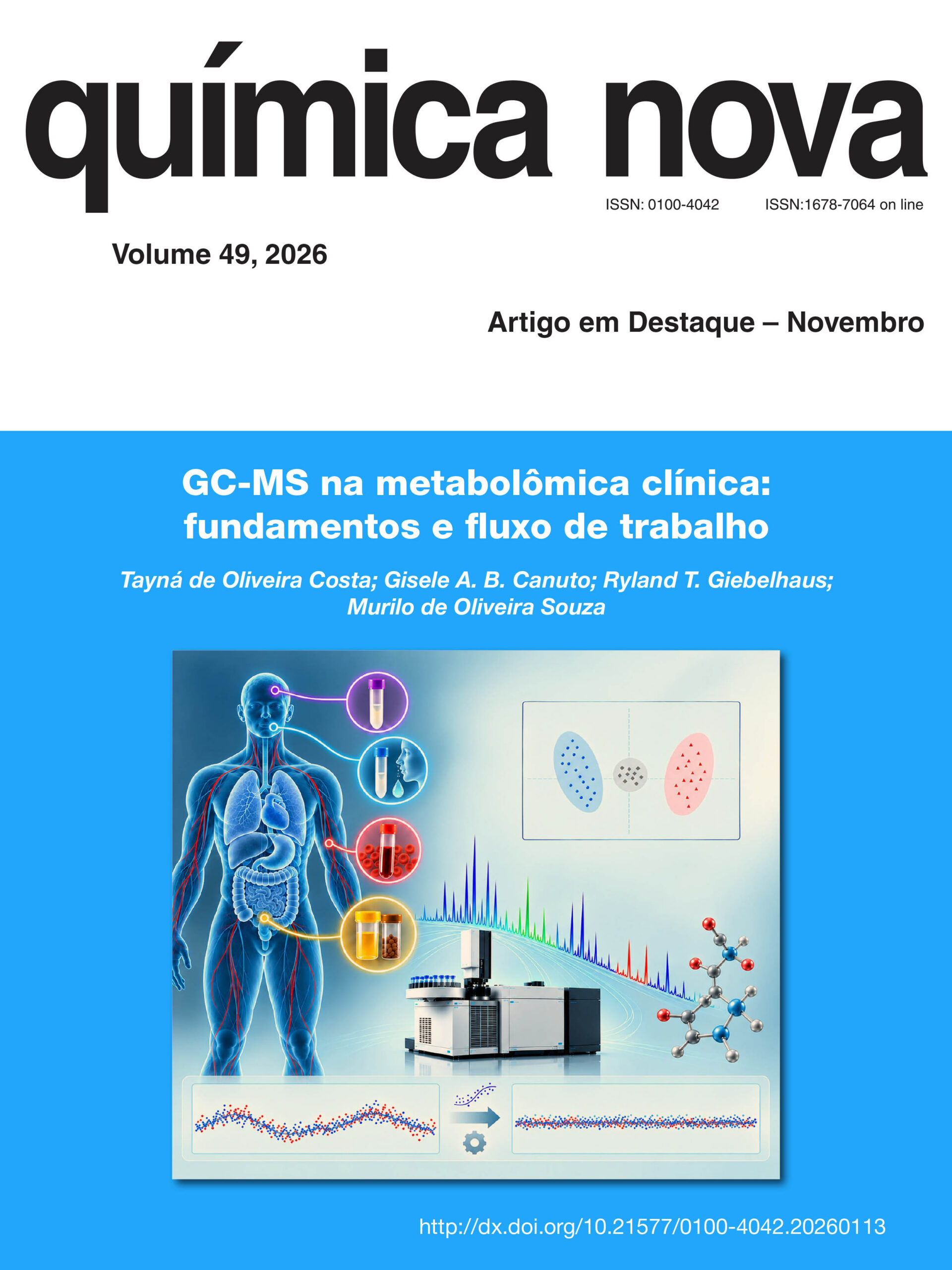
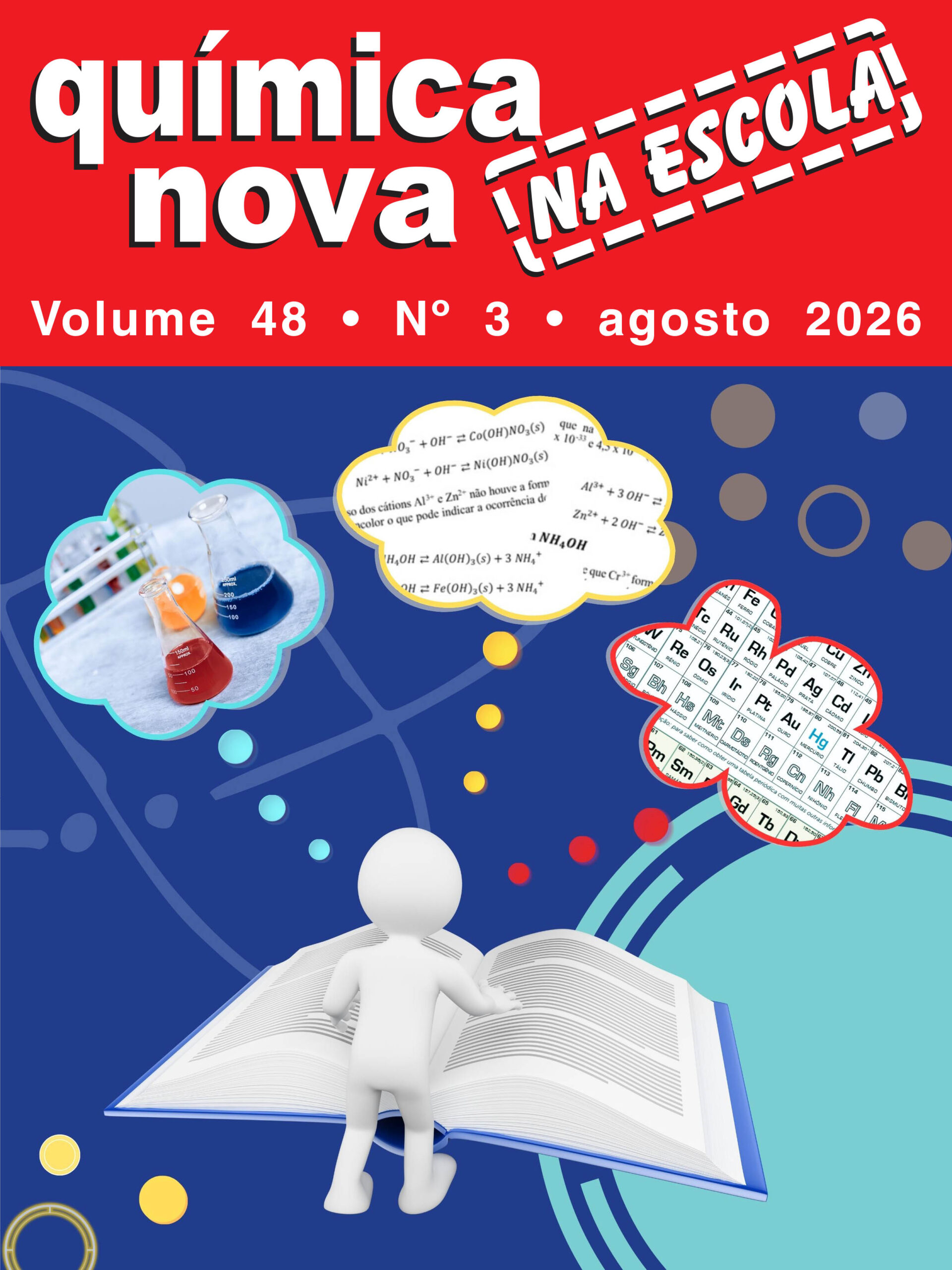
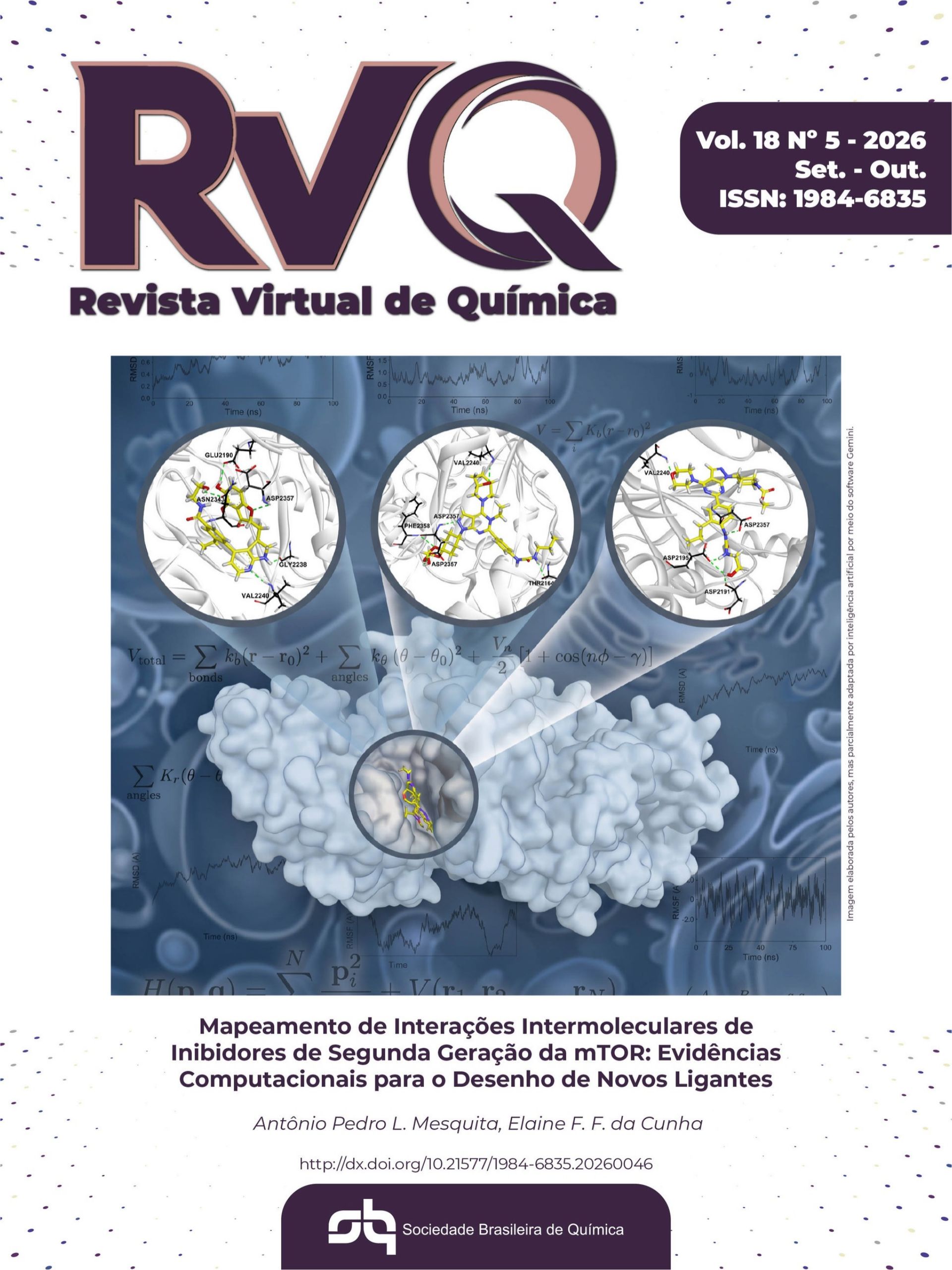
One of SBQ’s most important contributions throughout its history has been to maintain and continuously strengthen its publishing arm, PubliSBQ,2 a leading scientific publisher in chemistry in Latin America. Its portfolio includes four open-access journals: Química Nova, Química Nova na Escola, Revista Virtual de Química, and the Journal of the Brazilian Chemical Society (JBCS), the latter enjoying significant international recognition. Three of these journals are indexed in the Journal Citation Reports (JCR). PubliSBQ also publishes several books, produces weekly electronic newsletters reaching over 8,000 subscribers, and maintains online science outreach platforms. Together, these initiatives have a significant impact on the entire chemistry community. PubliSBQ is a nonprofit publisher that is not financially self-sufficient and therefore receives support from SBQ, enabling it to offer increasingly generous discounts on open-access publication fees to active members.
Equally important is SBQ’s role as the official channel of communication between the chemistry community and government agencies, including research funding agencies, government ministries, and evaluation agencies. Through this role, SBQ actively contributes to the country’s strategic planning in science, education, and innovation. The Society is engaged in guaranteeing better labor, educational and scientific conditions. For example, advocating increased financial support for scholarships and research project funding. Or fighting against budget cuts that affect the community, at the federal and state levels, soliciting clarifications or reiterating changes. SBQ is also directly involved in the agreements for supporting subscriptions to international journals. In fact, Brazil is reference worldwide regarding the amount of available international journals that the researchers are entitled to access freely. And this involves interlocution of many scientific societies with the government. Closely related to this, the Brazilian Chemical Society is committed to the growth and strengthening of the Postgraduate system of Chemistry in Brazil, by officially addressing reports and demands, and organizing discussion forums such as the National Meeting of Postgraduate Coordinators. It is involved with the Unified Chemistry Exam, used in many admission processes of postgraduate programs in Brazil. The Society is also the official channel for consultation regarding several chemistry related topics by the media, such as journalists. Another important role of SBQ is the
partnering with several national and international scientific societies and entities, benefiting from joint actions and exclusive benefits. Also, the Society promotes numerous awards and competitions, including with other scientific entities. Another impactful action of the society is in organizing major scientific events in Chemistry, with national and international repercussions, including the Annual Meeting of the Brazilian Chemical Society which brings together nearly 2000-2500 participants. Moreover, SBQ is the national authority for publishing the official and most up-to-date periodic table, which is freely available to the entire community for download in high resolution. Another great concern of the society is promoting greater representation regarding gender, racial, LGBTIQ+ diversity and young researchers. In this sense, there are dedicated
committees for these issues: Women’s Nucleus, Young Researchers Committee, and Diversity and Inclusion Committee. There are several important outcomes from
the discussion raised by these committees such as updated recommendations for organizing events and appointments in decision making positions. But most importantly, these committees engage more members to the society, who identify with these initiatives and feel welcomed and heard. Feeling represented is especially important in this sense and any society should seek diversity and inclusion for this. The Brazilian Chemical Society is also engaged with promoting and fostering advances in education. It is involved in several activities of scientific outreach for children, young people, and the whole community. The online platforms of the publisher managed by the Society contain many highlevel contents for all ages, including a journal dedicated to scientific dissemination and good practices in schools. Also, there are several e-books, freely available, dedicated to hot topics in chemistry and their understanding in a non-formal language. The Annual Meeting of the society has a dedicated space “SBQ in School” for students to visit from public schools and participate in experiments and all sorts of interactive activities. Each year, hundreds of high school students from public schools visit the meeting, free of cost. Also related to education, the SBQ pioneered the establishment of a Professional Master’s Course in Chemistry for public high school teachers. The project already trained more than 450 master through 22 institutions all over Brazil and nowadays, co-managed by the Society. This has revolutionized the opportunities for teachers to enhance their knowledge, which consequently improves the education of the students.
Societies such as SBQ play a central role in the community, not only in science and education, but also in connecting with the whole population. Yet their contributions remain insufficiently recognized, even by researchers who directly benefit from their work. Scientific societies need active, engaged members to sustain their activities and strengthen their voice. The next time someone mentions a scientific society of your field, please affiliate. Supporting your scientific society means recognizing the collective effort that makes scientific progress possible and helping ensure that science continues to have a strong voice in society.
Elisa S. Ortha
General Secretary of the Brazilian Chemical Society 2024-2026
aUniversidade Federal do Paraná (UFPR), 81531-980 Curitiba-PR, Brazil
https://orcid.org/0000-0001-6686-7721
Rossimiriam P. de Freitasb
President of the Brazilian Chemical Society 2024-2026
bUniversidade Federal de Minas Gerais (UFMG), 31270-901 Belo Horizonte-MG, Brazil
https://orcid.org/0000-0001-6974-3724
References
- Brazilian Chemical Society (SBQ). [Link] accessed in October
2026 - PubliSBQ. [Link] accessed in October 2026
Link - Licença CC-BY
Assine a newsletter da PubliSBQ!
Esteja sempre atualizado(a) sobre as últimas publicações da SBQ.
[mc4wp_form id="123"]
A PubliSBQ
A PubliSBQ é um órgão destinado a atividades de difusão científica, técnica, de interesse didático e de divulgação de notícias. Sua principal missão é a produção de publicações de interesse da comunidade química nacional: profissionais de química da universidade e da indústria, estudantes de química do ensino médio, universitário e de pós-graduação, reunindo, também, mecanismos de difusão da química para o público leigo e infantojuvenil.








Entre em contato
Endereço da PubliSBQ
Sociedade Brasileira de Química
CNPJ: 49.353.568/0001-85
Av. Prof. Lineu Prestes, 748
Bloco 3 superior, sala 371
CEP 05508-000 Cidade Universitária
São Paulo, Brasil

A PubliSBQ é um órgão destinado a atividades de difusão científica, técnica, de interesse didático e de divulgação de notícias. Sua principal missão é a produção de publicações de interesse da comunidade química nacional: profissionais de química da universidade e da indústria, estudantes de química do ensino médio, universitário e de pós-graduação, reunindo, também, mecanismos de difusão da química para o público leigo e infanto-juvenil.
Mais informações sobre nósNotícias Recentes
© 2025 PubliSBQ. Todos os direitos reservados.