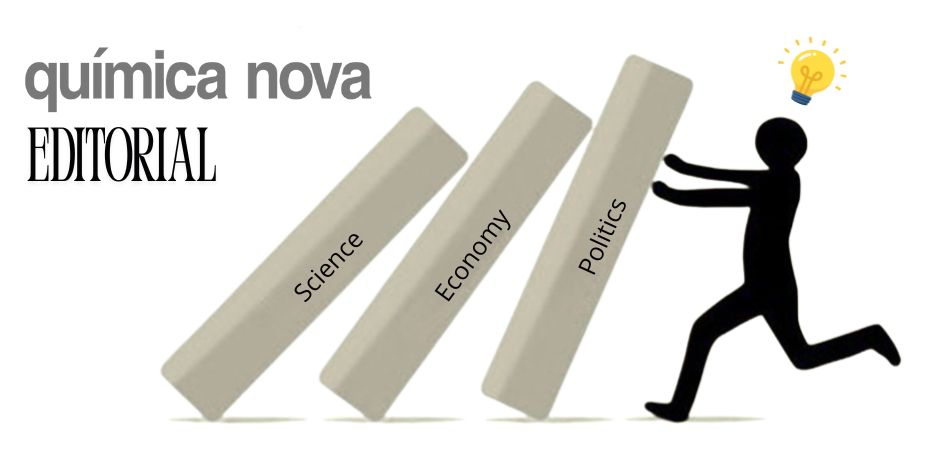
Plastic pollution, including nano- and microplastics, has emerged as one of the most prominent global environmental issues, and developing integrated international networks will be essential to address this challenge effectively. Researchers from diverse fields, including chemistry, toxicology, environmental science, political science, and other social sciences, are required to address the complex challenges associated with plastic production/demand, (mis)use, final destination, pollution, and remediation. A cohesive global effort to overcome geopolitical boundaries – sharing knowledge, technology, and innovative solutions – will be essential. This must include crosssector collaboration, inclusive participation in decision-making, and joint approaches among scientists, policymakers, industry, and communities, all supported by economic development and sustained political commitment.
Veja também
ESTAMOS SEGUROS? SEGURANÇA QUÍMICA EM TEMPOS DE AGROTÓXICOS E ARMAS QUÍMICAS
This editorial discusses the importance of chemical safety and security, highlighting the risks associated with…
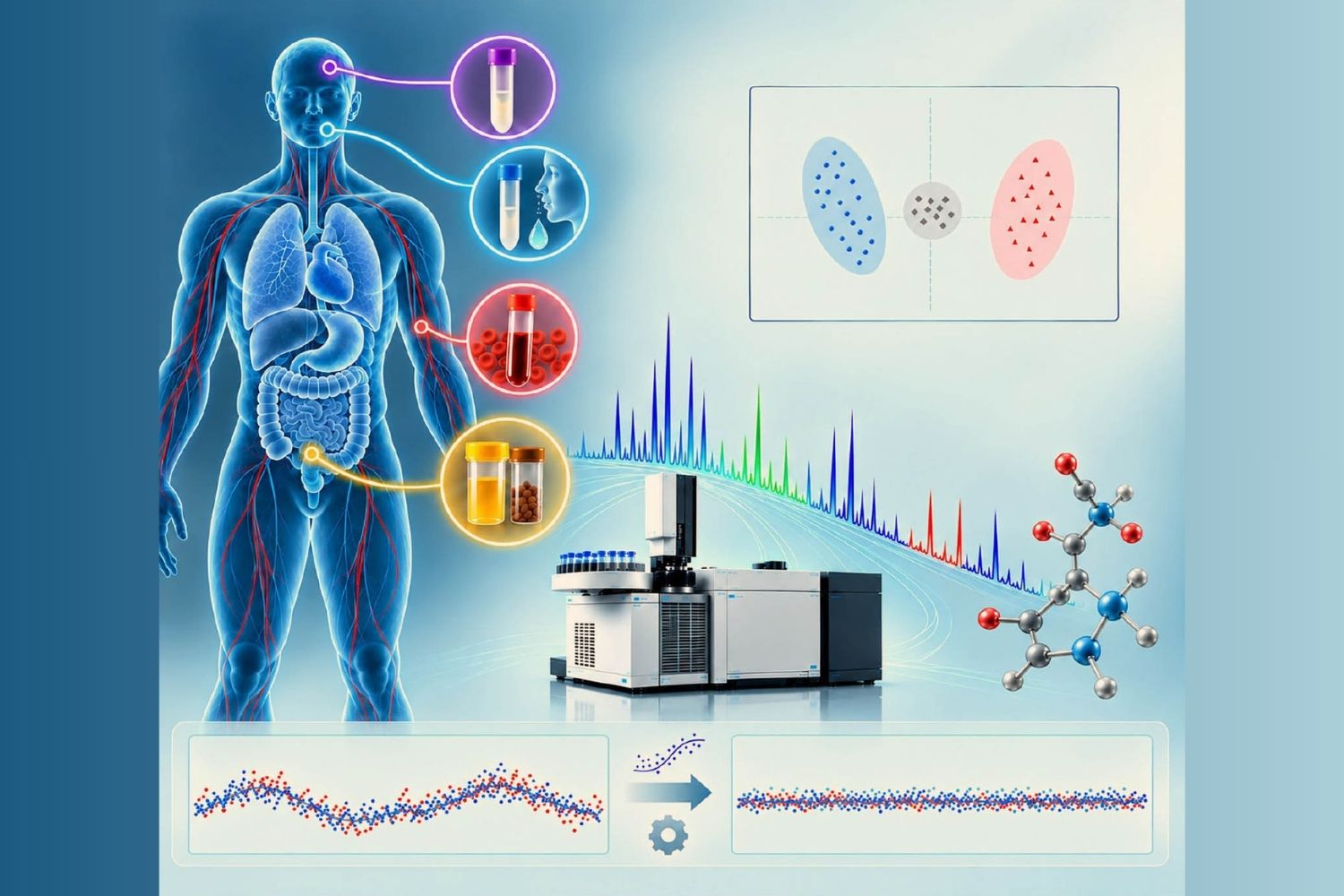
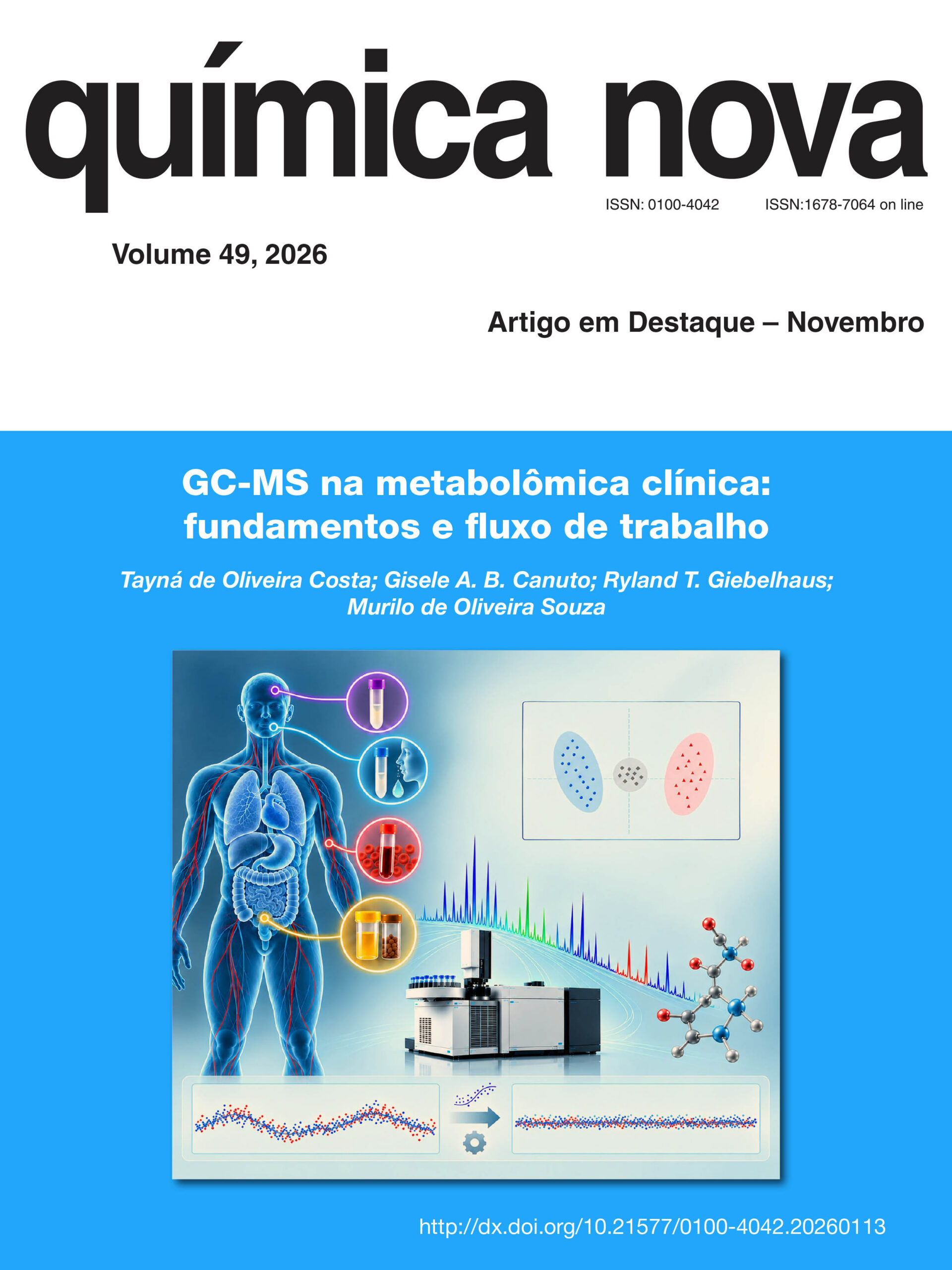
QN – Artigo em Destaque de Novembro/2026
⚛️ QN Volume 49, Artigo em Destaque de Novembro! ⚛️.🔗 Acesse o nosso website: https://quimicanova.sbq.org.br/.📖…
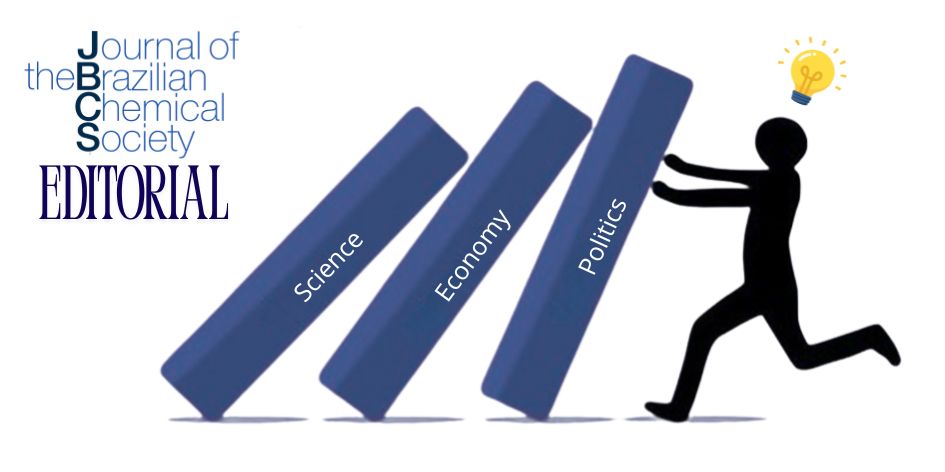
Why Scientific Societies Matter – Who Speaks for Science?
This editorial highlights the essential role of scientific societies in representing researchers, advancing science education,…

JBCS – Artigo em Destaque de Novembro/2026
⚛️ JBCS Volume 37 – Featured Article – November ⚛️.🔗 Check out at our website…